What are Capacitors? Types of capacitors?

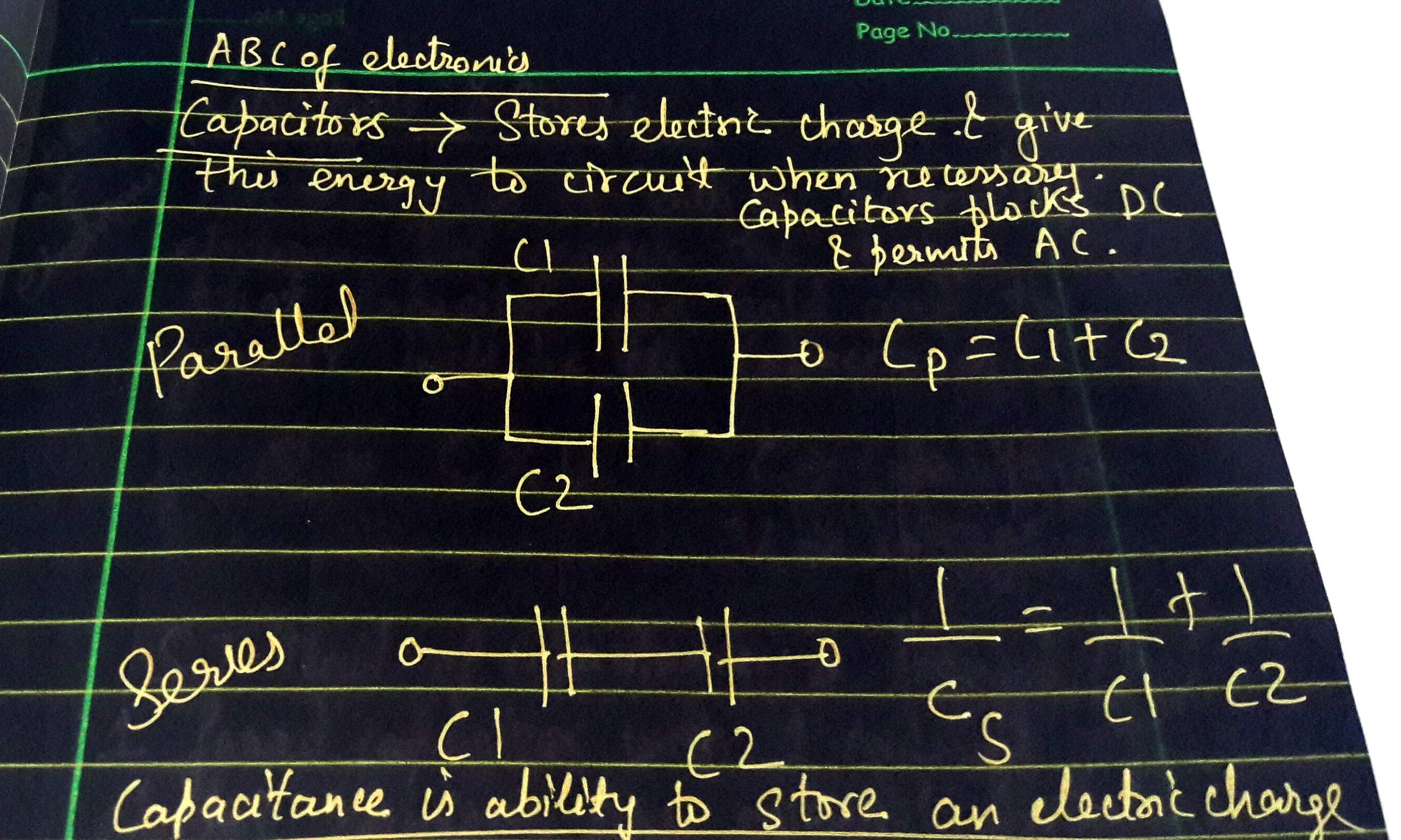
The capacitor's function is to store electricity, or electrical energy.
The capacitor also functions as a filter, passing alternating current (AC), and blocking direct current (DC).
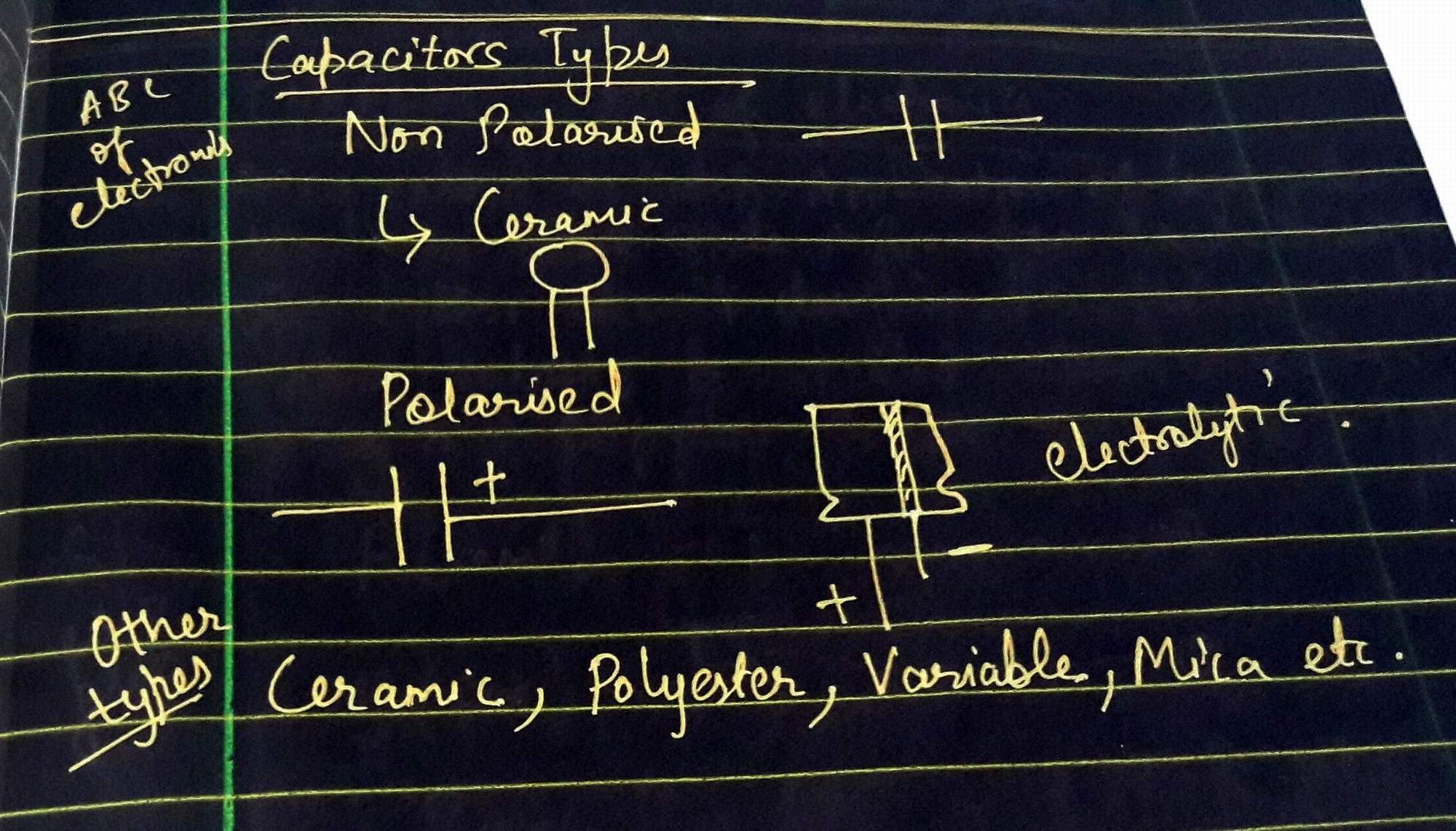
This symbol is used to indicate a capacitor in a circuit diagram.

Capacitors are occasionally referred to as condensers.
                   

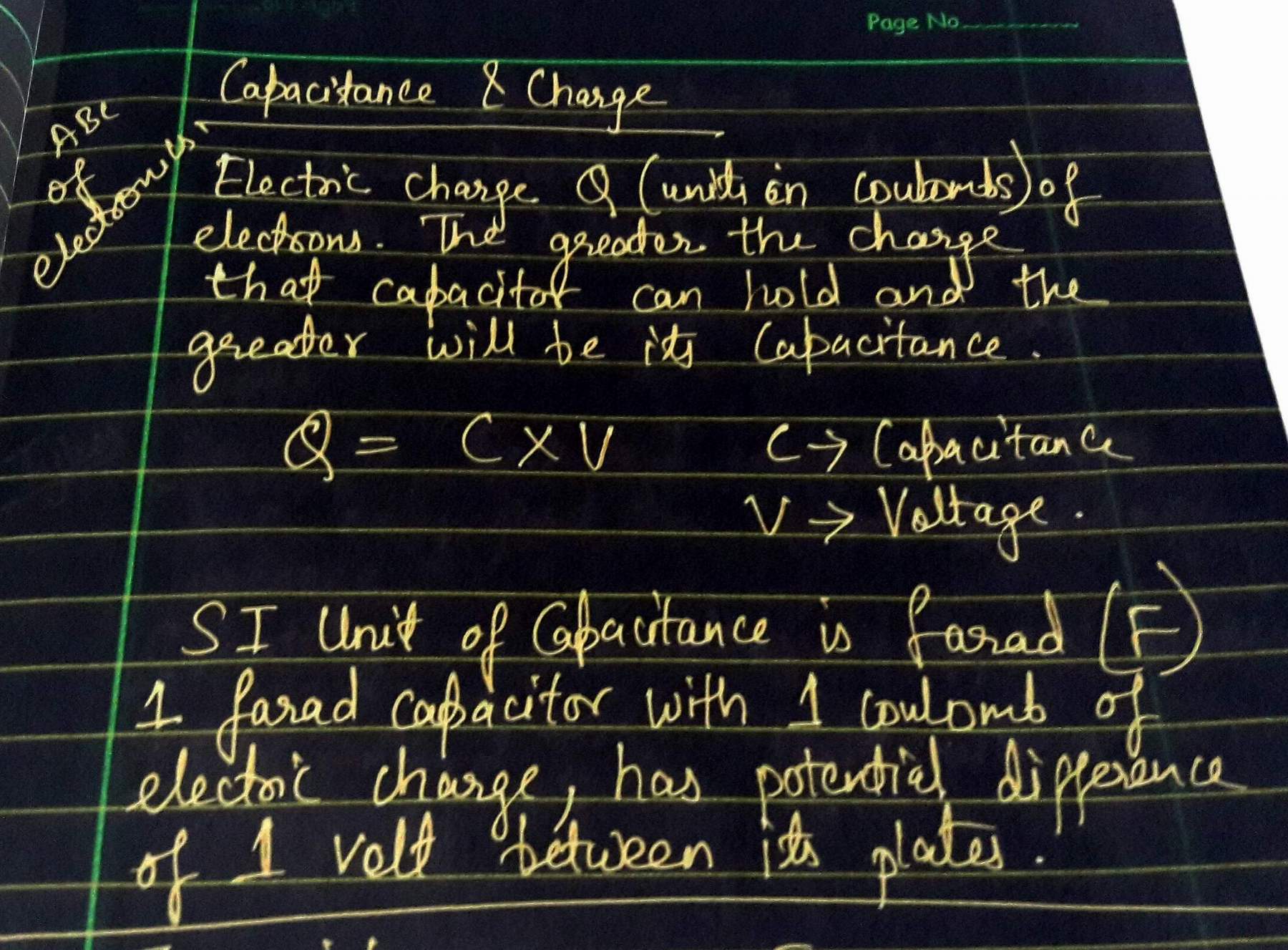
The capacitor's capacitance (C) is a measure of the amount of charge (Q) stored on each plate for a given potential difference or voltage (V) which appears between the plates:

        C=Q/V

A capacitor is a passive electronic component that stores energy in the form of an electrostatic field. In its simplest form, a capacitor consists of two conducting plates separated by an insulating material called the dielectric. The capacitance is directly proportional to the surface areas of the plates, and is inversely proportional to the separation between the plates. Capacitance also depends on the dielectric constant of the substance separating the plates.                            


Capacitor Types

 1) Capacitors can be used to control timing, filtering, and smoothing out power supplies.

2) Three major types of capacitors are ceramic, electrolytic, and tantalum

3) Ceramic capacitors are small in size and value, ranging from a few Pico Farads to 1 µF. Not polarized, so either end can go to ground. Value is given by a mystical code somewhat like that of resistors.

4) Electrolytic capacitors look like small cylinders and range in value from 1 µF to several Farads. Very inaccurate and change in value as the electrolytic ages. Polarized, cathode must go to ground. Cathode is marked with a minus sign on case. Value is usually written on case.

5) Tantalum capacitors are similar in size to ceramic but can hold more charge, up to several hundred µF. Accurate and stable, but relatively expensive. Usually Polarized, anode is marked with a plus sign.


Google